




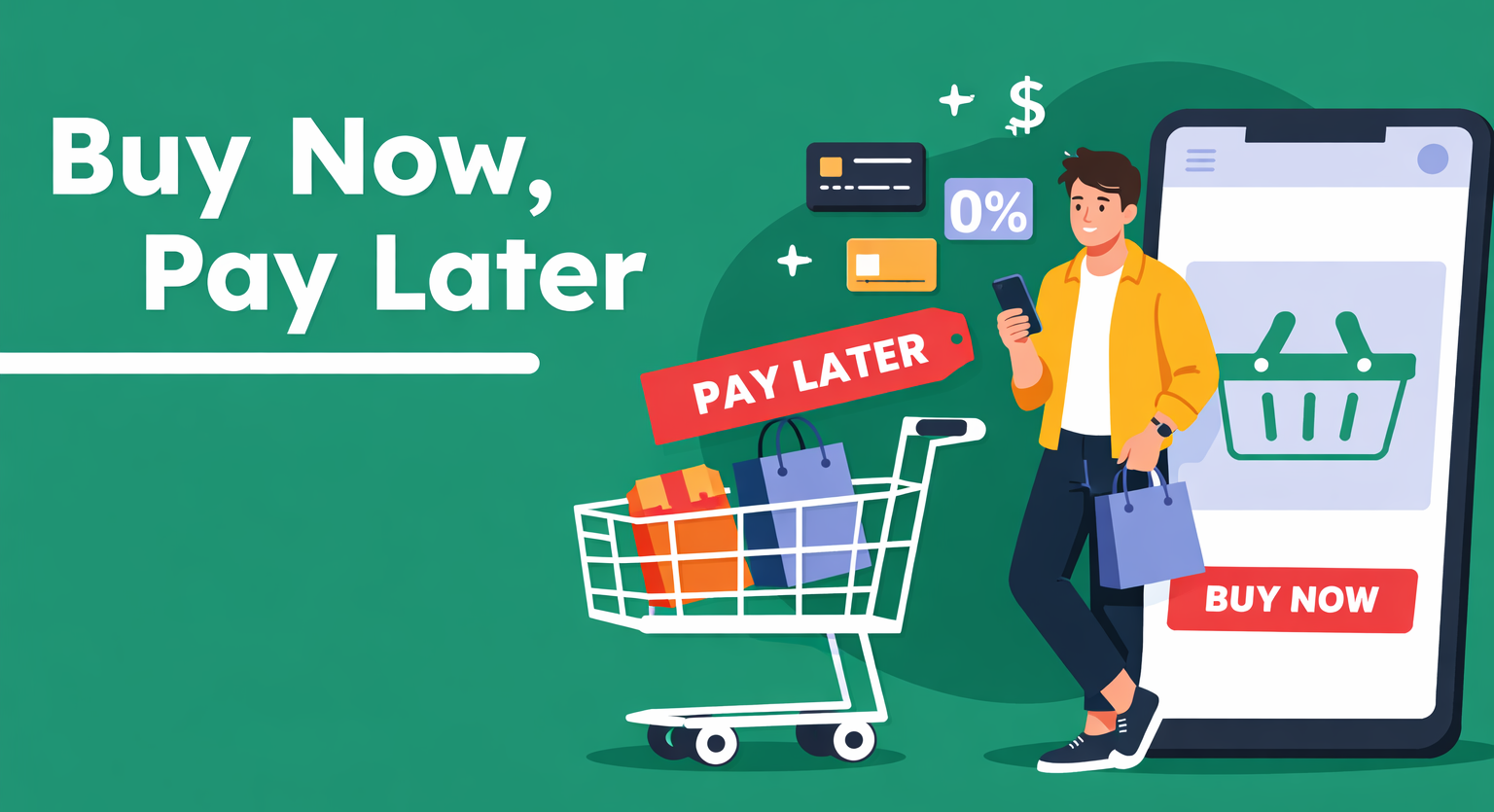
Buy Now, Pay Later (BNPL) has evolved from a simple checkout option into a powerful force reshaping global payments. What started as a consumer-friendly alternative to credit cards is now influencing how merchants design checkout experiences, how lenders assess risk, and how regulators think about short-term credit. As fintech innovation accelerates, the future of BNPL is set to look very different from its early days.
This article explores where BNPL is headed, the challenges it faces, and how fintech players, merchants, and financial institutions must adapt.
The Evolution of BNPL: From Trend to Infrastructure
BNPL gained mass adoption by offering what traditional credit products often failed to deliver: simplicity, transparency, and speed. Consumers could split payments into manageable installments without complex approval processes or hidden fees. For merchants, BNPL increased conversion rates and average order values.
Over time, BNPL has shifted from being a checkout add-on to becoming embedded financial infrastructure. Leading BNPL providers now operate full-stack platforms that handle underwriting, payments, fraud prevention, and customer engagement. This shift marks BNPL’s transition from a retail trend to a core component of the digital payments ecosystem.
Changing Consumer Behavior Is Driving BNPL Growth
One of the biggest forces shaping BNPL’s future is changing consumer expectations. Younger consumers, especially Gen Z and millennials, are more cautious about traditional credit cards and long-term debt. They prefer flexible, short-term payment options that feel predictable and manageable.
BNPL aligns perfectly with this mindset. It offers perceived control over spending while fitting seamlessly into mobile-first shopping experiences. As digital-native consumers gain purchasing power, demand for BNPL across industries, from retail and travel to healthcare and education, will continue to rise.
AI and Data Will Redefine BNPL Risk Models
Early BNPL models relied on limited credit checks, prioritizing speed over deep risk assessment. While this approach fueled rapid growth, it also raised concerns around consumer debt and default rates. The future of BNPL will depend heavily on smarter risk management.
Artificial intelligence and real-time data analytics are becoming central to BNPL underwriting. Instead of relying solely on credit scores, BNPL providers are increasingly using alternative data points such as transaction behavior, device data, and spending patterns. This allows for more accurate, real-time credit decisions while keeping the checkout experience frictionless.
AI-driven personalization will also shape BNPL offers, dynamically adjusting installment plans, limits, and repayment terms based on individual user behavior.
BNPL Is Expanding Beyond E-Commerce
While e-commerce remains the primary BNPL use case, the model is rapidly expanding into new verticals. Travel, B2B purchases, subscriptions, healthcare, and even utilities are adopting installment-based payments.
B2B BNPL, in particular, is emerging as a major growth area. Businesses increasingly want flexible payment terms without lengthy procurement or financing processes. BNPL solutions tailored for B2B transactions can improve cash flow for buyers while ensuring faster settlement for sellers.
This expansion signals a future where BNPL is no longer limited to consumer retail but becomes a broader financial tool across industries.
Regulation Will Shape the Next Phase of BNPL
As BNPL adoption grows, regulatory scrutiny is intensifying worldwide. Regulators now prioritize consumer protection, transparency, and responsible lending practices. In many markets, BNPL is moving closer to traditional credit regulation frameworks.
While increased regulation may slow rapid expansion in the short term, it could strengthen the BNPL ecosystem in the long run. Clear rules around disclosures, affordability checks, and reporting can build consumer trust and encourage sustainable growth.
The future of BNPL will favor providers that proactively embrace compliance and invest in responsible lending models rather than those relying on regulatory gray areas.
Merchant Strategy Will Drive BNPL Innovation
Merchants are no longer choosing BNPL providers based solely on fees. They are evaluating how BNPL integrates into broader customer experience strategies. Factors such as brand alignment, data insights, and omnichannel support are becoming critical.
Future BNPL solutions will be deeply embedded into merchant platforms, offering analytics on customer behavior, lifetime value, and purchase patterns. This data-driven approach allows merchants to optimize pricing, promotions, and inventory decisions.
As competition increases, BNPL providers will differentiate themselves by delivering value beyond payments, becoming growth partners rather than just payment facilitators.
The Convergence of BNPL and Traditional Finance
The line between BNPL providers and traditional financial institutions is increasingly blurred. Banks are launching their own installment payment products, while BNPL firms are expanding into digital wallets, credit products, and banking services.
This convergence suggests that the future of BNPL lies in hybrid models. Partnerships between fintech companies and banks will enable scalable, compliant solutions that combine innovation with financial stability. For consumers, this means more integrated financial experiences across payments, credit, and money management.
Challenges That Will Define BNPL’s Future
Despite its growth, BNPL faces several challenges that will shape its trajectory:
- Rising competition is putting pressure on margins.
- Consumer debt concerns are attracting regulatory attention.
- Economic uncertainty increases default risk.
- Trust and transparency remain critical to long-term adoption.
BNPL providers that fail to adapt risk becoming commoditized or regulated out of relevance. Those that invest in technology, compliance, and customer education will be best positioned to lead the next phase.
What the Future Holds for BNPL
Looking ahead, BNPL will become smarter, more regulated, and more deeply embedded into financial ecosystems. It will move beyond being a payment option to becoming a personalized financing layer across digital commerce.
For fintech companies, the opportunity lies in building scalable, compliant, AI-driven BNPL platforms. Merchants, meanwhile, can continue to use BNPL as a powerful lever for growth and deeper customer engagement. Consumers stand to gain greater payment flexibility, provided responsible usage and transparency remain central.
Ultimately, BNPL is not replacing traditional credit but redefining how short-term financing fits into modern digital life.