




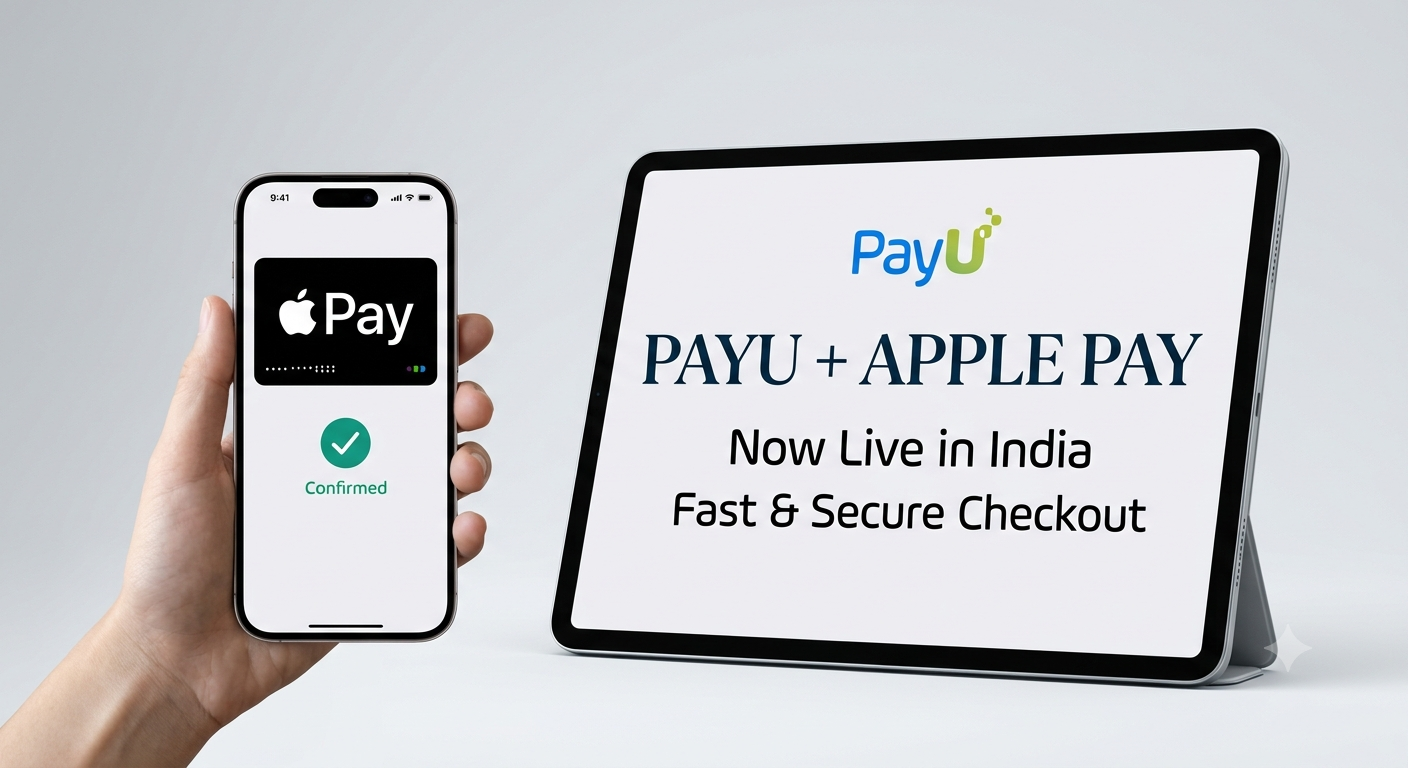
Apple Pay is now live in India, and one of the country’s biggest payment gateways is ready for it. On 30 September 2026, PayU announced that it is adding Apple Pay to its merchant network. Businesses on the platform can now offer eligible Apple users a faster, more secure way to pay in stores, in apps and on websites.
What PayU announced
PayU, the fintech platform backed by Prosus, will let merchants accept Apple Pay through its unified checkout. The company says lakhs of merchants on its network stand to benefit. PayU also says it works with more than 4.5 lakh businesses, from large enterprises and e-commerce brands to small and mid-sized sellers.
Nikhil Mehta, PayU’s Senior Vice President for Partnerships and Business Head of Growth Initiatives, framed the move as a step toward more secure and seamless authentication for digital payments. He added that PayU will help merchants handle the technical integration and compliance work that comes with a new payment method. For smaller sellers without dedicated engineering teams, that support could matter as much as the feature itself.
How Apple Pay works in India
Customers add an eligible credit card to Apple Wallet on their iPhone, iPad or Apple Watch and can start paying straight away. In stores, they hold their device near a contactless terminal and authenticate. Online and in apps, they can check out in Safari or in supported apps without creating an account or retyping shipping and billing details. Apple has said Mac support is coming soon.
Security is a central part of the pitch. Each purchase is approved with Face ID, Touch ID or the device passcode, and every transaction also carries a one-time dynamic security code. Card numbers are tokenised, so merchants never see the customer’s actual card details.
Limited at launch
The rollout is deliberately narrow. Axis Bank is the first and so far only banking partner, so only eligible Axis Bank Visa and Mastercard credit cards work for now. Reports say Apple has held talks with other lenders, including HDFC Bank and ICICI Bank. It is expected to add more issuers over time, as it has done in other markets.
Two gaps stand out:
- No UPI support. UPI handles roughly 84% of India’s digital payment volume, so its absence is the biggest limit on Apple Pay’s reach. Some reports suggest it could be added in a later phase, but nothing has been confirmed.
- No RuPay cards. India’s domestic card network is not supported at launch.
In physical stores, acceptance will also vary at first. Apple Pay has to be enabled on compatible contactless terminals, so some outlets may take it sooner than others.
Why it matters for merchants
For businesses, the main appeal is conversion. Checkout friction is a leading cause of abandoned carts, especially on mobile. A one-touch, biometric payment option can shorten that journey and reduce errors from typing card details. PayU says its unified checkout lets merchants add the option without rebuilding their payment flow.
Apple users also tend to be a valuable segment, so catering to them may be worth the effort. Offering Apple Pay can signal that a brand is modern and security-conscious, which can build trust with higher-value shoppers.
There is a timing angle too. India’s payments regulator recently allowed biometric authentication for digital payments, and NPCI has introduced tap-and-pay for UPI on NFC-enabled phones. Contactless habits are growing, and Apple Pay arrives as the infrastructure catches up.
What it means for the wider market
Apple Pay is entering a market dominated by Google Pay, PhonePe, Paytm and a large UPI ecosystem. Without UPI, it is unlikely to challenge those players soon. Its early strength is more likely to be among premium cardholders, frequent online shoppers and Apple loyalists who already use cards for everyday spending.
Even so, the launch widens payment choice. Card-based wallets have not been the main story in India’s digital payments boom, and a global brand with strong security credentials could change how some consumers think about paying by card. It could also push banks and gateways to improve their own tokenised and biometric checkout experiences.
What to watch next
Several developments will show how far Apple Pay can go in India:
- Which banks join Axis Bank, and how quickly.
- Whether UPI or RuPay support arrives.
- How fast retailers enable contactless terminals.
- Whether other payment gateways follow PayU.
Conclusion
PayU’s integration puts Apple Pay within reach of lakhs of Indian merchants on day one, which gives the launch immediate practical reach. The product is still limited, with one bank, credit cards only and no UPI. For merchants, though, enabling it now costs little and could pay off as Apple Pay’s coverage expands.